Sale Price:
$235.95
Original Price:
$400.50
The V5 series is characterized by a traditional round chamber. These mouthpieces are available in a wide variety of models that suit classical and jazz musicians.
The new V5+ series enhances the V5 experience with a redesigned profile, optimized for greater accessibility, flexibility, comfort, and versatility. Its matte black finish represents a natural evolution of the product line.
Vandoren’s Expert Opinion:
(A15 / SM411 - Medium-Long Table - Tip Opening: 176) - The Vandoren A15 Alto Sax mouthpiece is designed for very easy blowing.
(A15+ / SM411+ - Medium-Long Table - Tip Opening: 166) - A direct evolution of the A15 mouthpiece, it offers ease of emission and increased homogeneity. Its rich and warm tone, combined with its great flexibility across the entire range, ensures the musician an elegant sound, ideal for the classical repertoire.
(A20 / SM412 - Medium-Long Table - Tip Opening: 186) - The Vandoren A20 Alto Sax Mouthpiece is designed for those players looking for a compact, centered sound.
(A25 / SM413 - Medium-Long Table - Tip Opening: 186) - The Vandoren A25 Alto Sax mouthpiece is similar in conception to the A15, but a little more open.
(A27 / SM414 - Medium-Short Table - Tip Opening: 165) - The classic mouthpiece. It maintains optimal homogeneity throughout the entire range of the instrument.
(A17 / SM418 - Short Table - Tip Opening: 152) - While maintaining perfect homogeneity across all registers, it combines timbre, ease and richness of sound.
(A28 / SM419 - Medium-Short Table - Tip Opening: 163+) - The benchmark alto saxophone in the V5 series. Rich sound, colour, brilliance, dynamics.
(A35 / SM415 - Medium-Long Table - Tip Opening: 206) - The Vandoren A35 Alto Sax mouthpiece is an open mouthpiece, well-adapted to all styles, both jazz and classical.
(A45 / SM416 - Medium-Long Table - Tip Opening: 220) - The Vandoren A45 Alto Sax mouthpiece is designed for players looking for a warm, velvety sound.
(A55 / SM417 - Long Table - Tip Opening: 247) - The Vandoren A55 Alto Sax mouthpiece is designed to be the most open mouthpiece in the V5 range while conserving depth and roundness of sound.
Model #s:
SM411 (A15)
SM411+ (A15+)
SM412 (A20)
SM413 (A25)
SM414 (A27)
SM418 (A17)
SM419 (A28)
Technical Elements:
What is a beak made of? The mouthpiece is made of ebonite, without any other plastics being used.
Vulcanized rubber (coded 'NR' (Natural Rubber))
A material produced entirely from natural materials: natural rubber (latex extracted from Hevea brasiliensis, therefore renewable), sulfur (approximately 30%) and linseed oil.
The ebonite used by Vandoren is a certified non-toxic material, in accordance with European Directive EU 2009/48/EC, Annex II, Part III.
The Structure of a Bucket: (Vocabulary Elements)
Table : where the reed is placed
Opening : the space that exists at the end of the mouthpiece between the reed and the table
Chamber : the part in which the sound is formed, and which receives air pressure directly from the mouth; the bore channels the air to send it into the instrument.
Ceiling : this is the upper part of the room (the part that has the most influence on the sound)
Bore passage : the surface that separates the chamber from the bore.
Opening a Spout: This is the space that exists at the end of the mouthpiece between the reed and the table.
The mouthpiece must maintain the instrument's intonation. This intonation is paramount, but the pitch can vary from one country to another or from one orchestra to another (hence the creation of the 13 series at the American pitch of 440 Hz). A larger bore lowers the instrument's pitch and can eliminate the need for a separate barrel.
Technical Recommendations:
The characteristic odor of ebonite is due to sulfurous fumes emitted from the material, particularly during the first few months of use. These fumes are completely harmless to the user but can, over time, cause silver coins stored nearby to tarnish..
Ebonite's number one enemy is light, especially sunlight. A mouthpiece that receives little exposure will remain black and shiny for a very long time. On the other hand, a mouthpiece that is constantly exposed to light will become sensitive to various agents such as hot water, alkaline soaps, and alcohol, and may then change color. But don't worry, a simple polish will restore your mouthpiece to its full shine!
Very Important Player Item**
We will get it for you!
** This product is a Prof “VIP” special order item and is not normally stocked in-store. Once you place your order, we’ll dedicate attention to sourcing it through our industry supplier network, prioritize the shipment to our location, inspect and certify the item, then send it to you. Typical turnaround is 7–14 days. Although we don’t keep this item on hand, our strong supplier relationships allow us to obtain it quickly. When available from our suppliers, we’ll provide an estimated delivery date and tracking number after the item ships. Ça c’est bon & C’est tout!
The V5 series is characterized by a traditional round chamber. These mouthpieces are available in a wide variety of models that suit classical and jazz musicians.
The new V5+ series enhances the V5 experience with a redesigned profile, optimized for greater accessibility, flexibility, comfort, and versatility. Its matte black finish represents a natural evolution of the product line.
Vandoren’s Expert Opinion:
(A15 / SM411 - Medium-Long Table - Tip Opening: 176) - The Vandoren A15 Alto Sax mouthpiece is designed for very easy blowing.
(A15+ / SM411+ - Medium-Long Table - Tip Opening: 166) - A direct evolution of the A15 mouthpiece, it offers ease of emission and increased homogeneity. Its rich and warm tone, combined with its great flexibility across the entire range, ensures the musician an elegant sound, ideal for the classical repertoire.
(A20 / SM412 - Medium-Long Table - Tip Opening: 186) - The Vandoren A20 Alto Sax Mouthpiece is designed for those players looking for a compact, centered sound.
(A25 / SM413 - Medium-Long Table - Tip Opening: 186) - The Vandoren A25 Alto Sax mouthpiece is similar in conception to the A15, but a little more open.
(A27 / SM414 - Medium-Short Table - Tip Opening: 165) - The classic mouthpiece. It maintains optimal homogeneity throughout the entire range of the instrument.
(A17 / SM418 - Short Table - Tip Opening: 152) - While maintaining perfect homogeneity across all registers, it combines timbre, ease and richness of sound.
(A28 / SM419 - Medium-Short Table - Tip Opening: 163+) - The benchmark alto saxophone in the V5 series. Rich sound, colour, brilliance, dynamics.
(A35 / SM415 - Medium-Long Table - Tip Opening: 206) - The Vandoren A35 Alto Sax mouthpiece is an open mouthpiece, well-adapted to all styles, both jazz and classical.
(A45 / SM416 - Medium-Long Table - Tip Opening: 220) - The Vandoren A45 Alto Sax mouthpiece is designed for players looking for a warm, velvety sound.
(A55 / SM417 - Long Table - Tip Opening: 247) - The Vandoren A55 Alto Sax mouthpiece is designed to be the most open mouthpiece in the V5 range while conserving depth and roundness of sound.
Model #s:
SM411 (A15)
SM411+ (A15+)
SM412 (A20)
SM413 (A25)
SM414 (A27)
SM418 (A17)
SM419 (A28)
Technical Elements:
What is a beak made of? The mouthpiece is made of ebonite, without any other plastics being used.
Vulcanized rubber (coded 'NR' (Natural Rubber))
A material produced entirely from natural materials: natural rubber (latex extracted from Hevea brasiliensis, therefore renewable), sulfur (approximately 30%) and linseed oil.
The ebonite used by Vandoren is a certified non-toxic material, in accordance with European Directive EU 2009/48/EC, Annex II, Part III.
The Structure of a Bucket: (Vocabulary Elements)
Table : where the reed is placed
Opening : the space that exists at the end of the mouthpiece between the reed and the table
Chamber : the part in which the sound is formed, and which receives air pressure directly from the mouth; the bore channels the air to send it into the instrument.
Ceiling : this is the upper part of the room (the part that has the most influence on the sound)
Bore passage : the surface that separates the chamber from the bore.
Opening a Spout: This is the space that exists at the end of the mouthpiece between the reed and the table.
The mouthpiece must maintain the instrument's intonation. This intonation is paramount, but the pitch can vary from one country to another or from one orchestra to another (hence the creation of the 13 series at the American pitch of 440 Hz). A larger bore lowers the instrument's pitch and can eliminate the need for a separate barrel.
Technical Recommendations:
The characteristic odor of ebonite is due to sulfurous fumes emitted from the material, particularly during the first few months of use. These fumes are completely harmless to the user but can, over time, cause silver coins stored nearby to tarnish..
Ebonite's number one enemy is light, especially sunlight. A mouthpiece that receives little exposure will remain black and shiny for a very long time. On the other hand, a mouthpiece that is constantly exposed to light will become sensitive to various agents such as hot water, alkaline soaps, and alcohol, and may then change color. But don't worry, a simple polish will restore your mouthpiece to its full shine!
Very Important Player Item**
We will get it for you!
** This product is a Prof “VIP” special order item and is not normally stocked in-store. Once you place your order, we’ll dedicate attention to sourcing it through our industry supplier network, prioritize the shipment to our location, inspect and certify the item, then send it to you. Typical turnaround is 7–14 days. Although we don’t keep this item on hand, our strong supplier relationships allow us to obtain it quickly. When available from our suppliers, we’ll provide an estimated delivery date and tracking number after the item ships. Ça c’est bon & C’est tout!

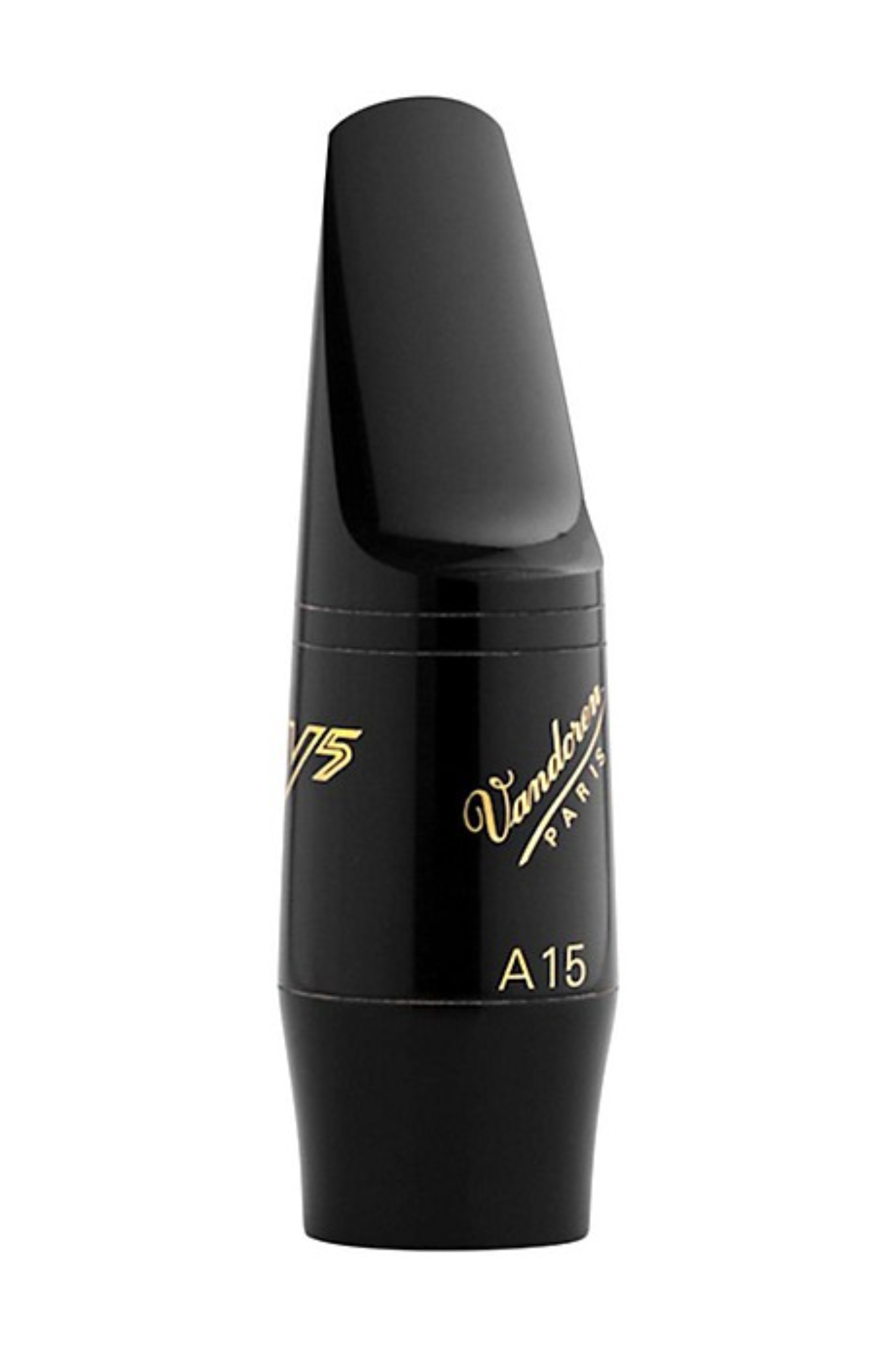 Image 1 of 10
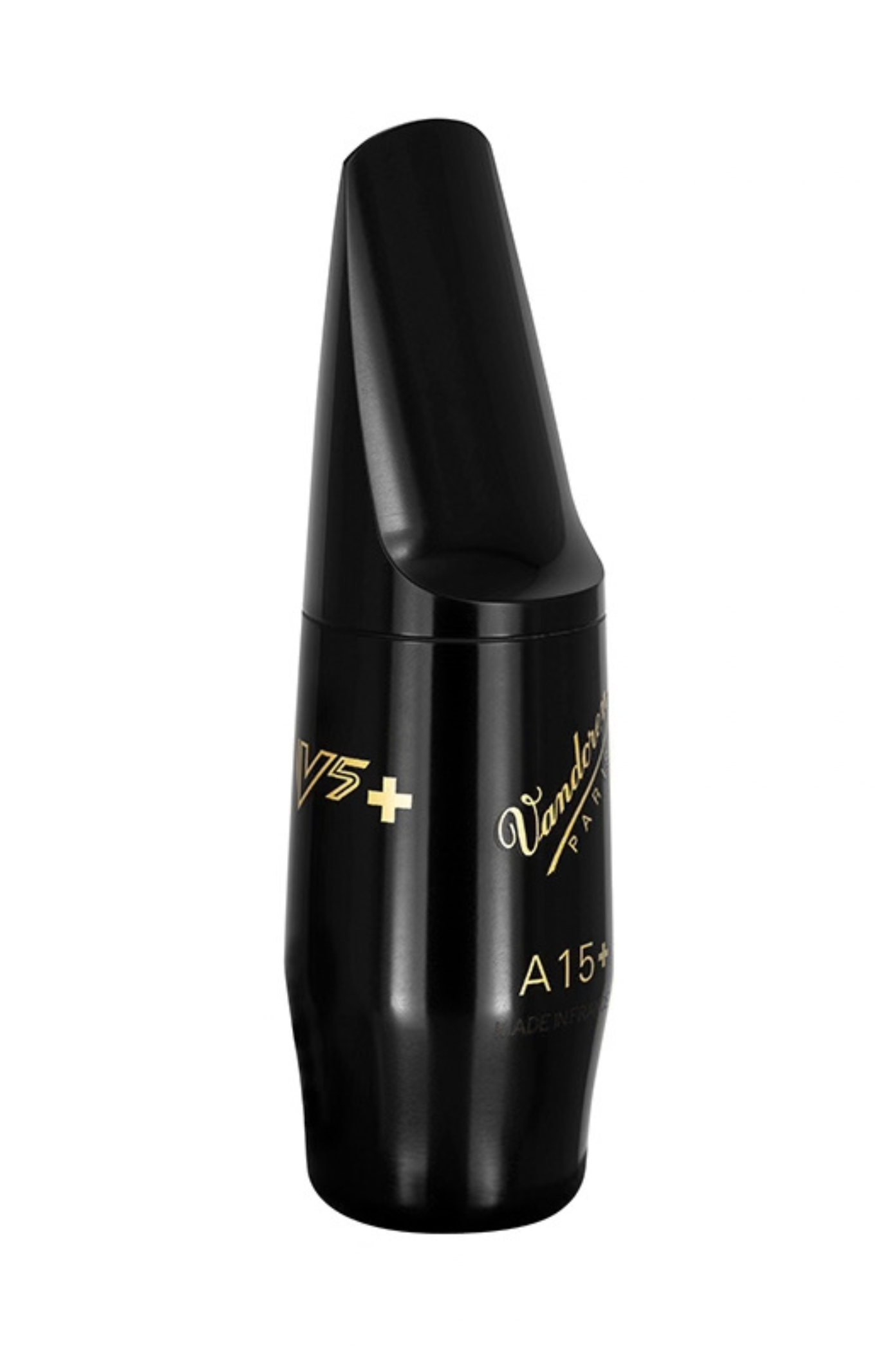 Image 2 of 10
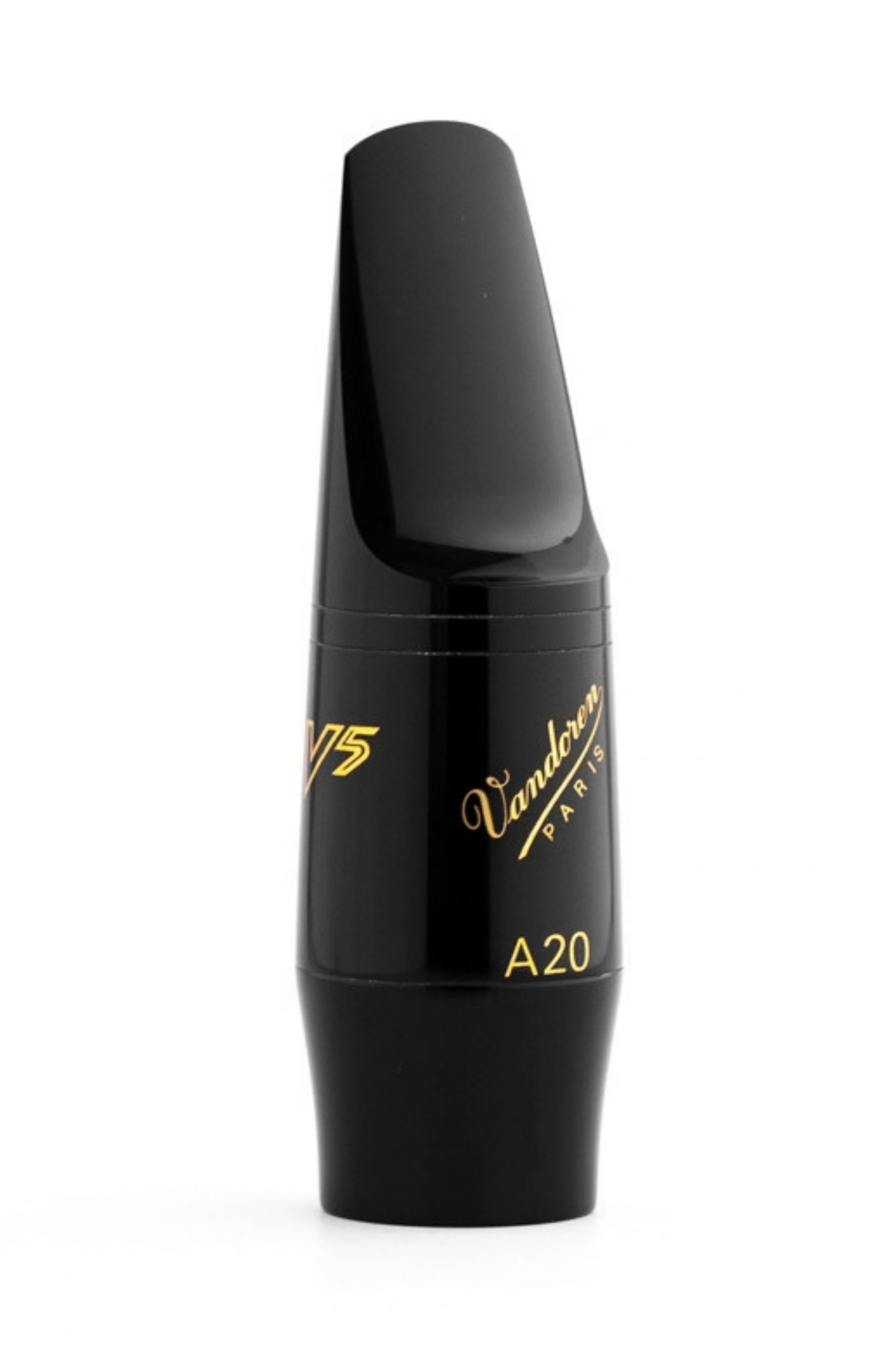 Image 3 of 10
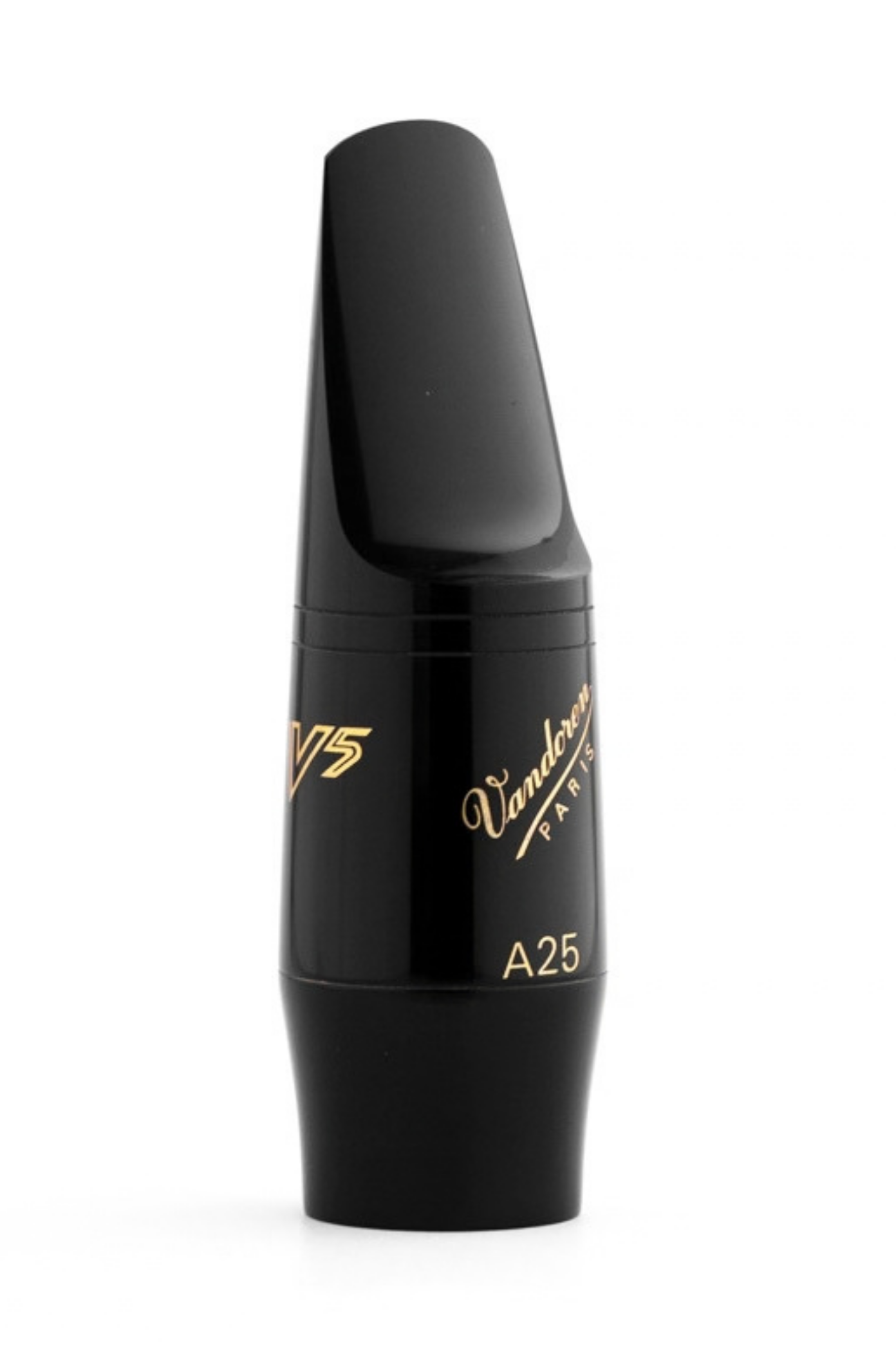 Image 4 of 10
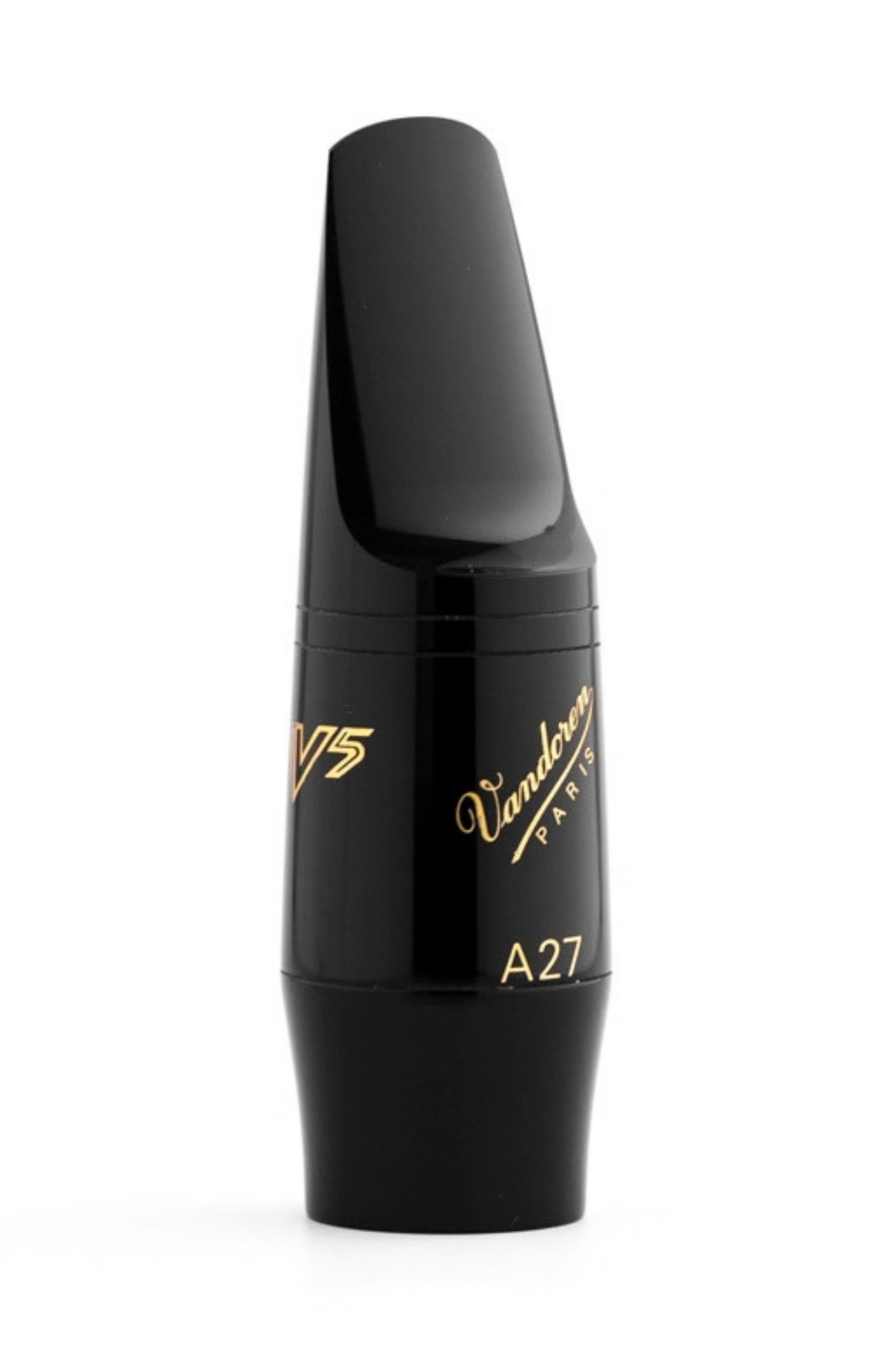 Image 5 of 10
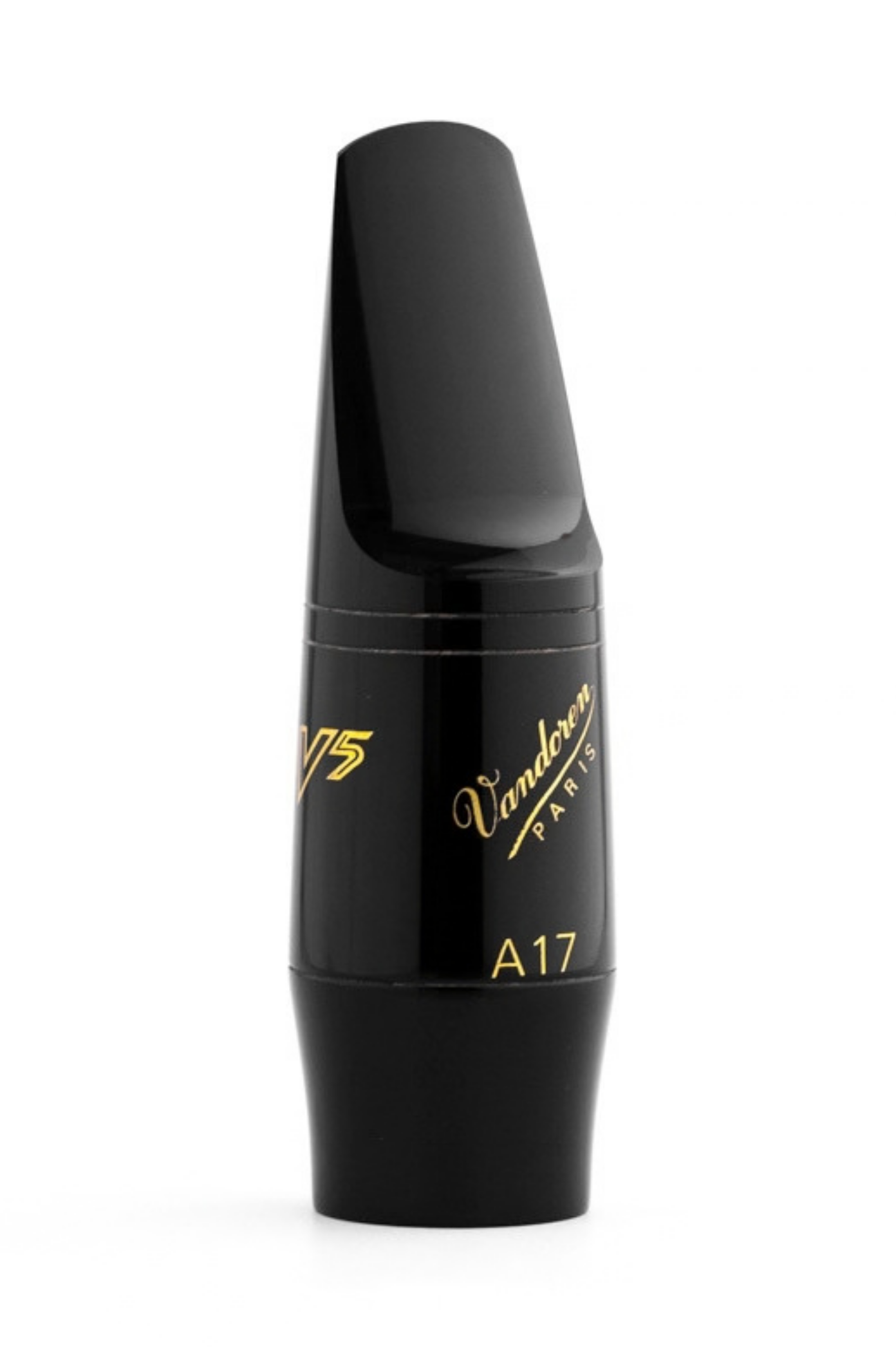 Image 6 of 10
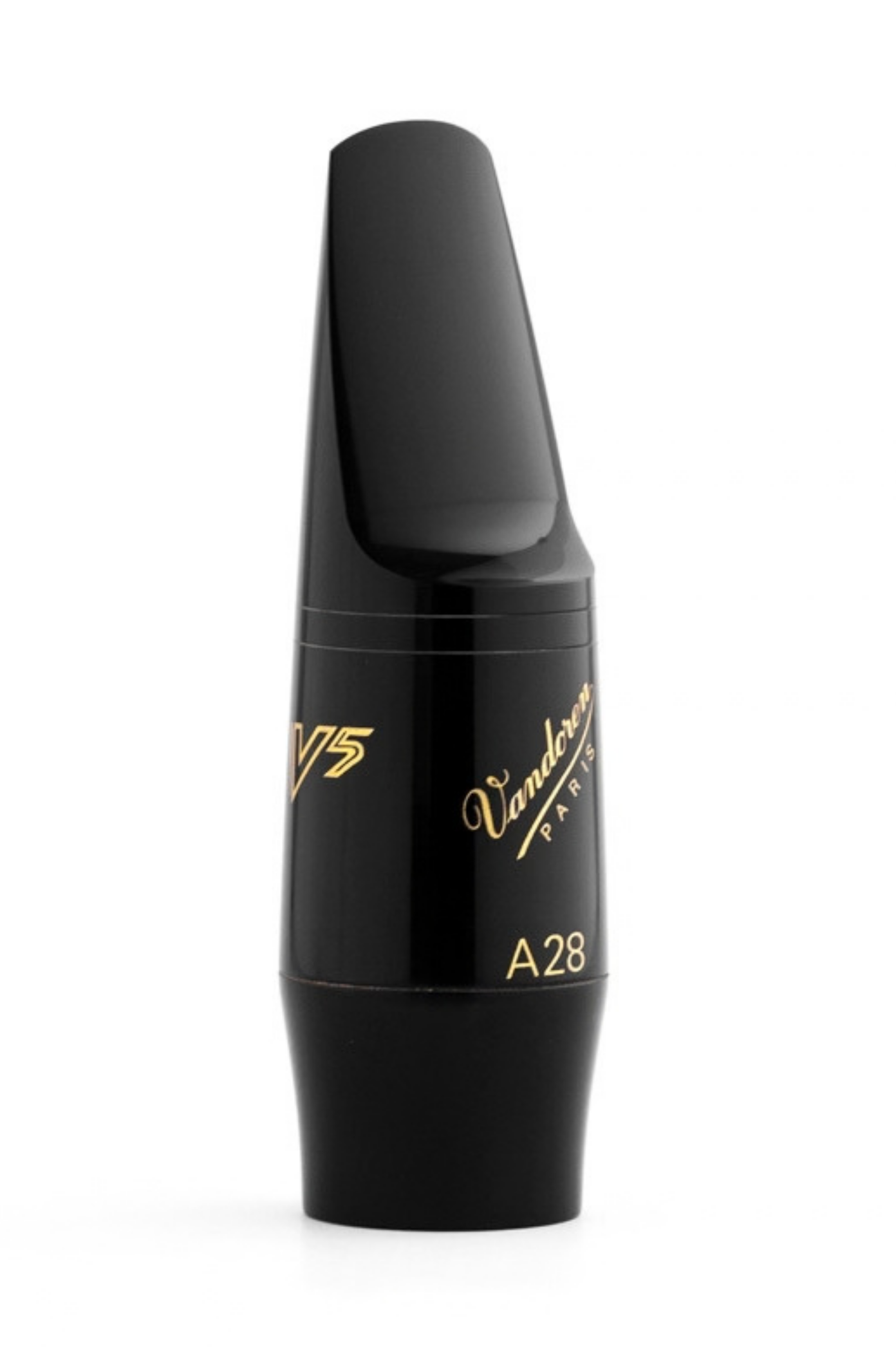 Image 7 of 10
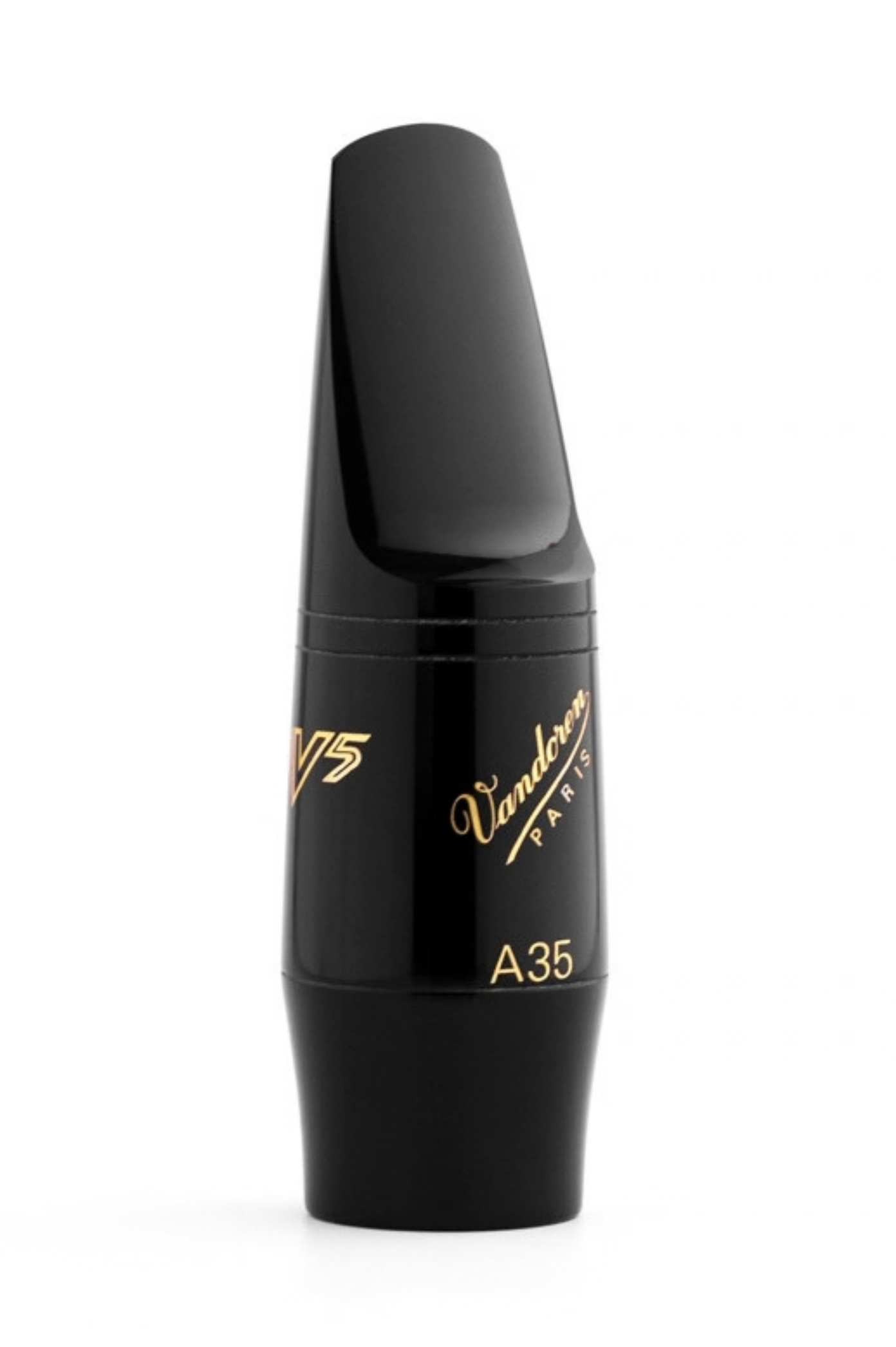 Image 8 of 10
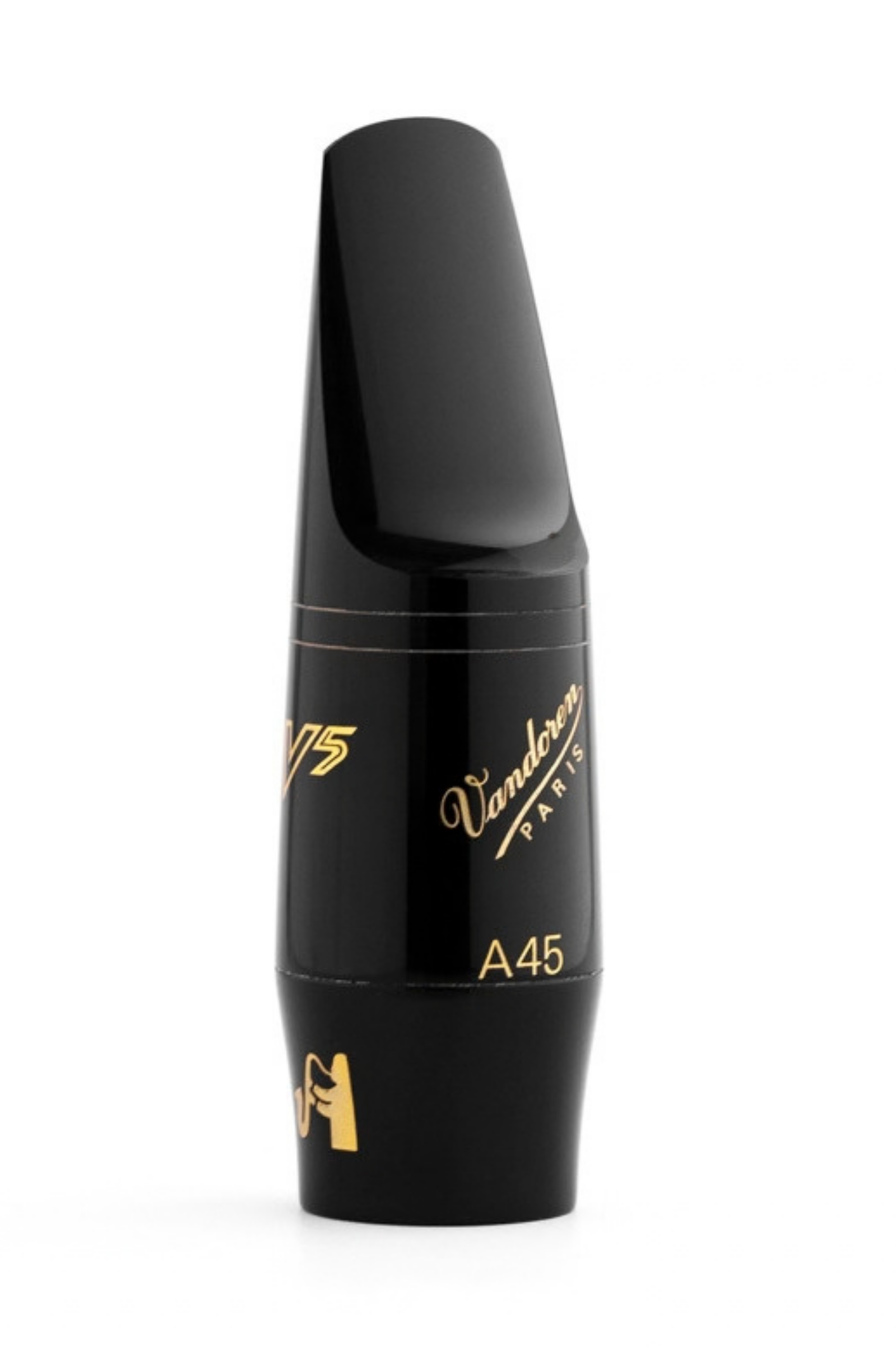 Image 9 of 10
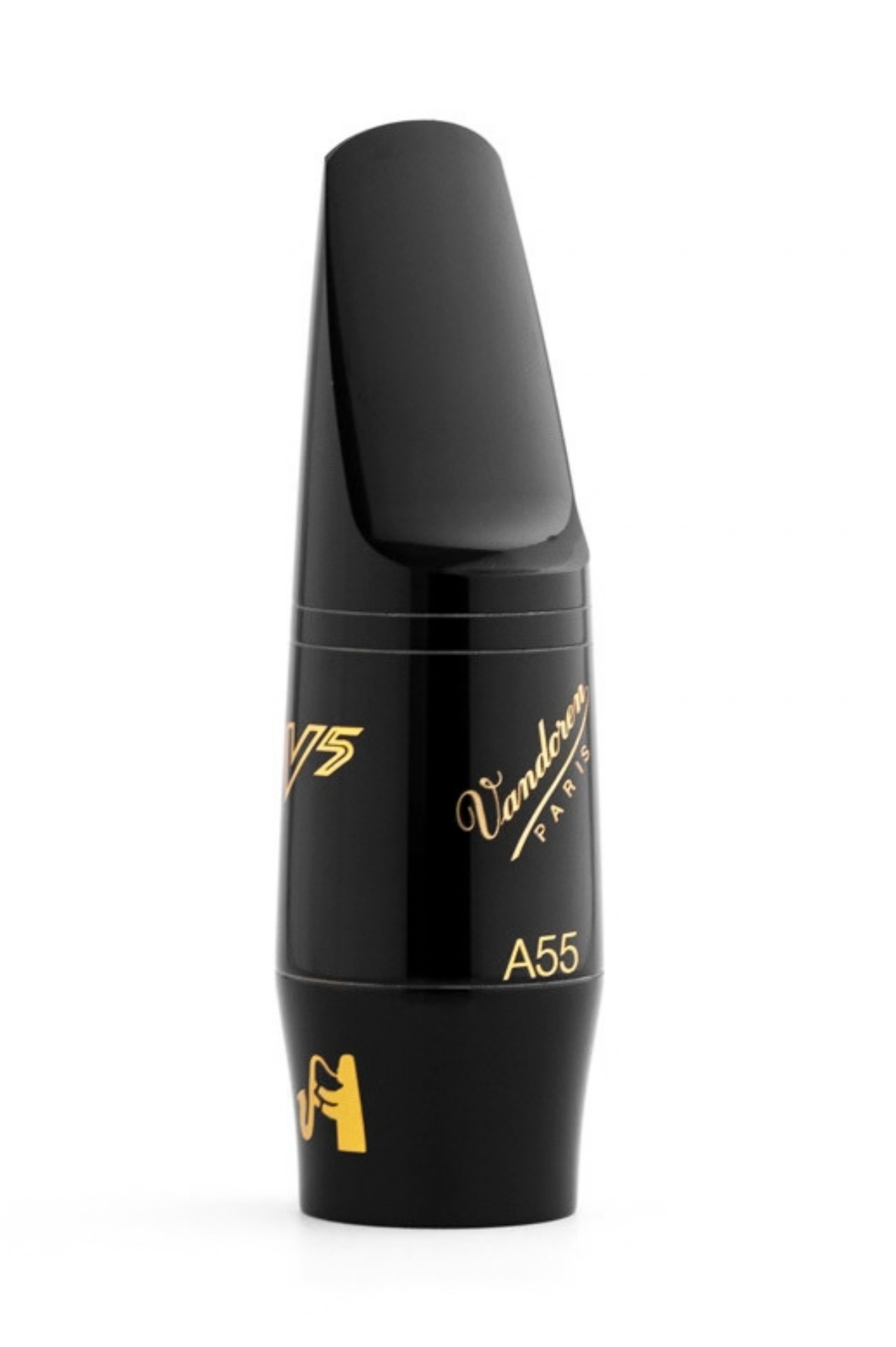 Image 10 of 10