
 Image 1 of 7
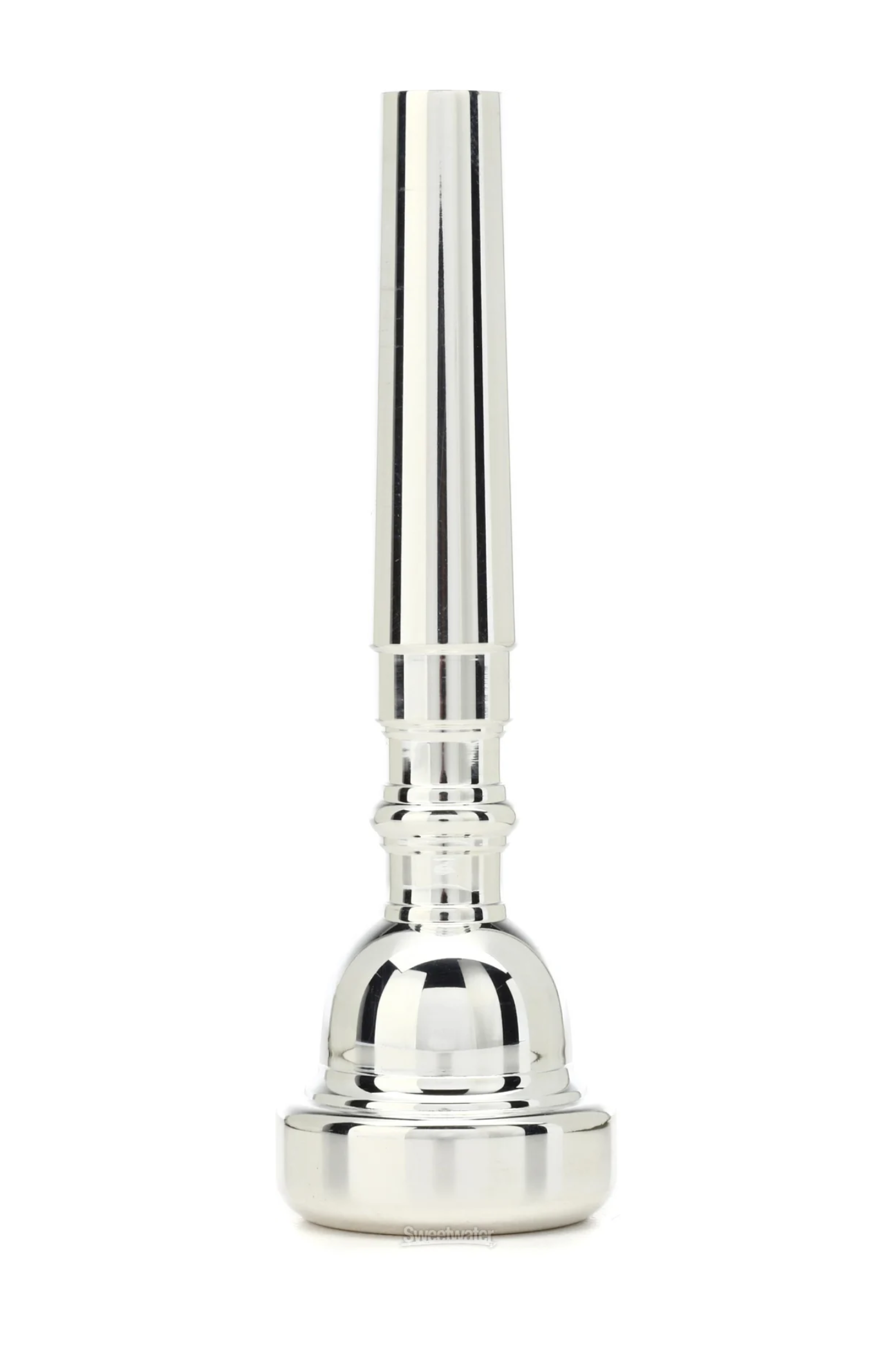 Image 2 of 7
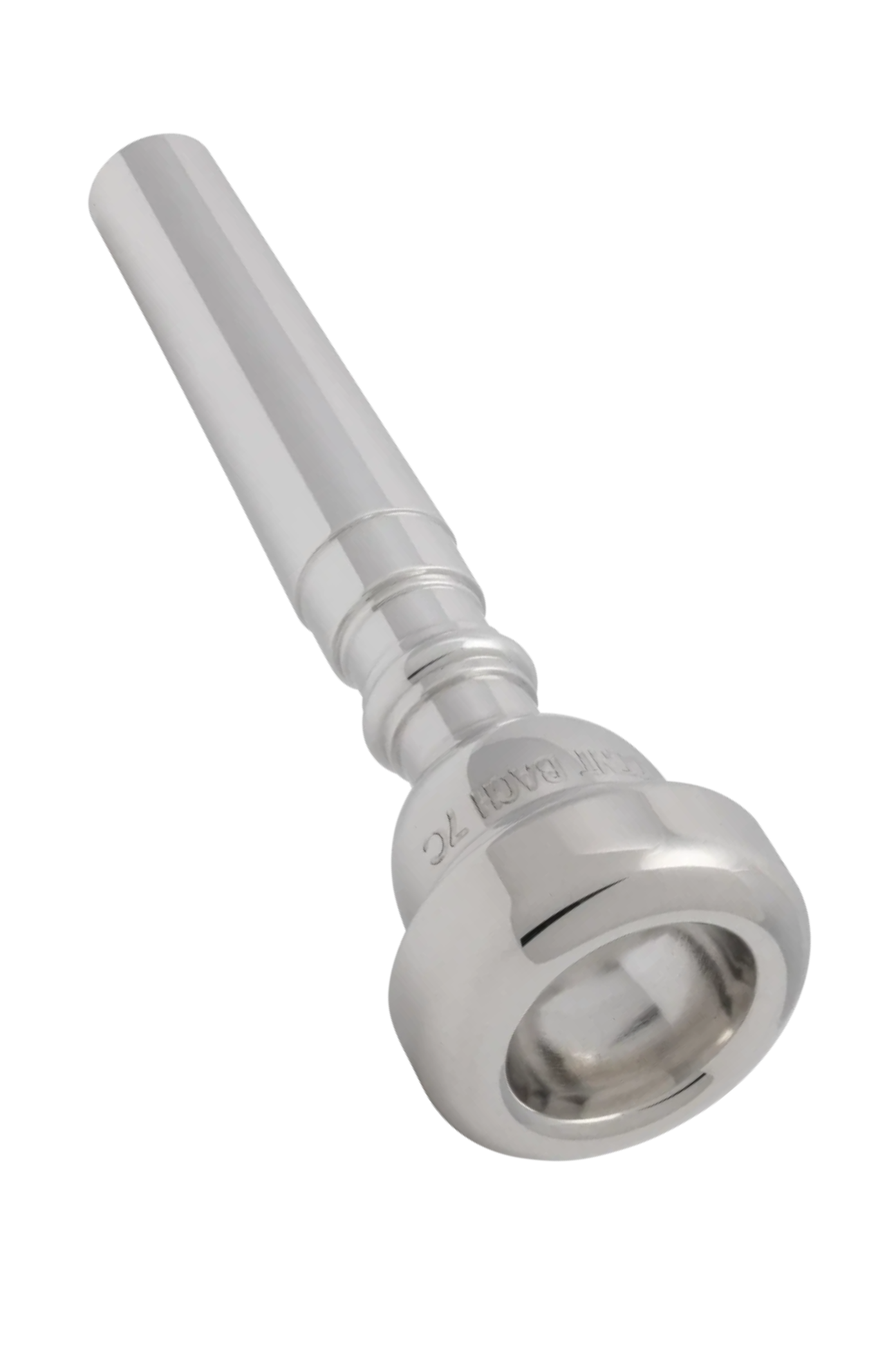 Image 3 of 7
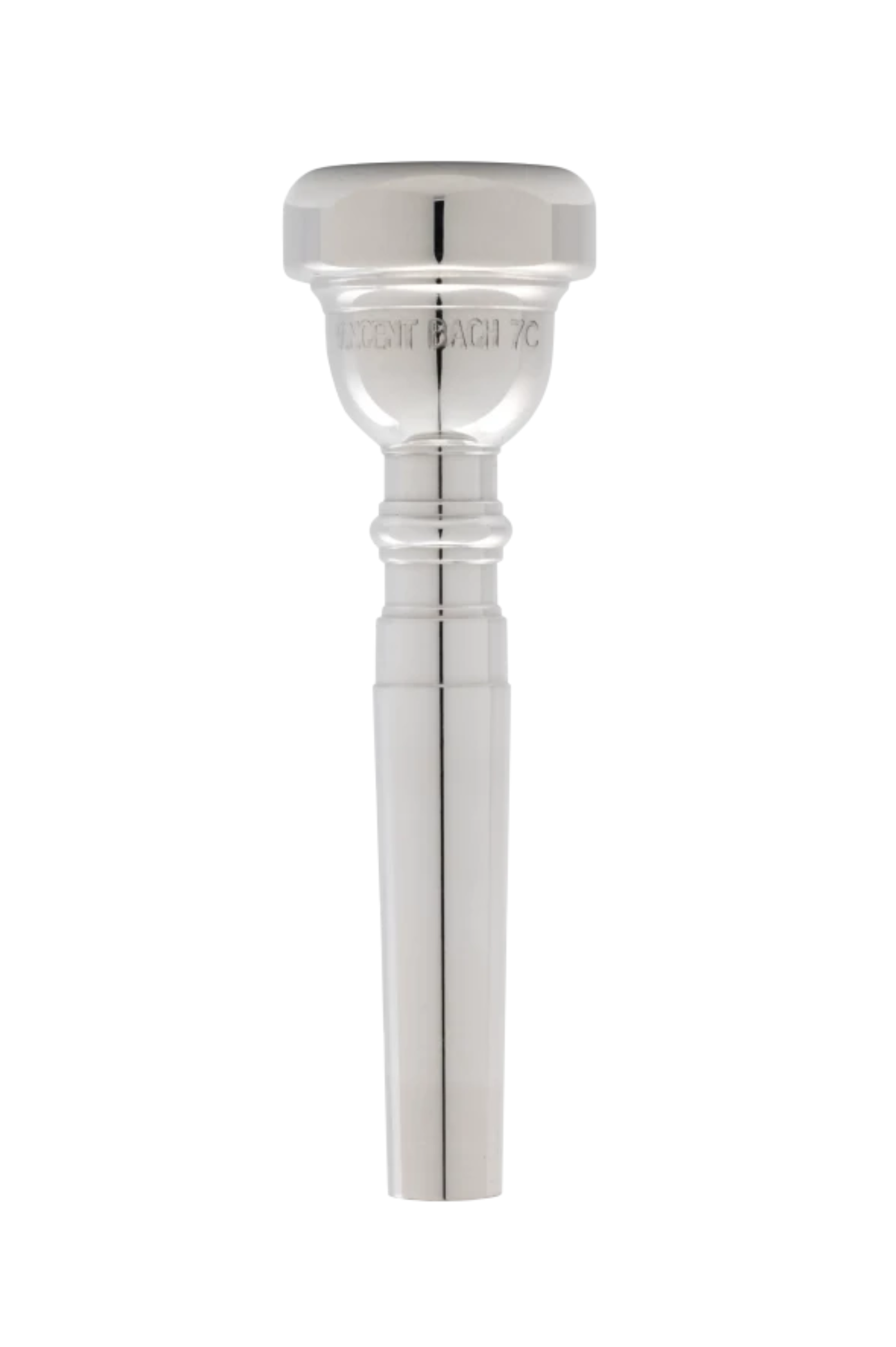 Image 4 of 7
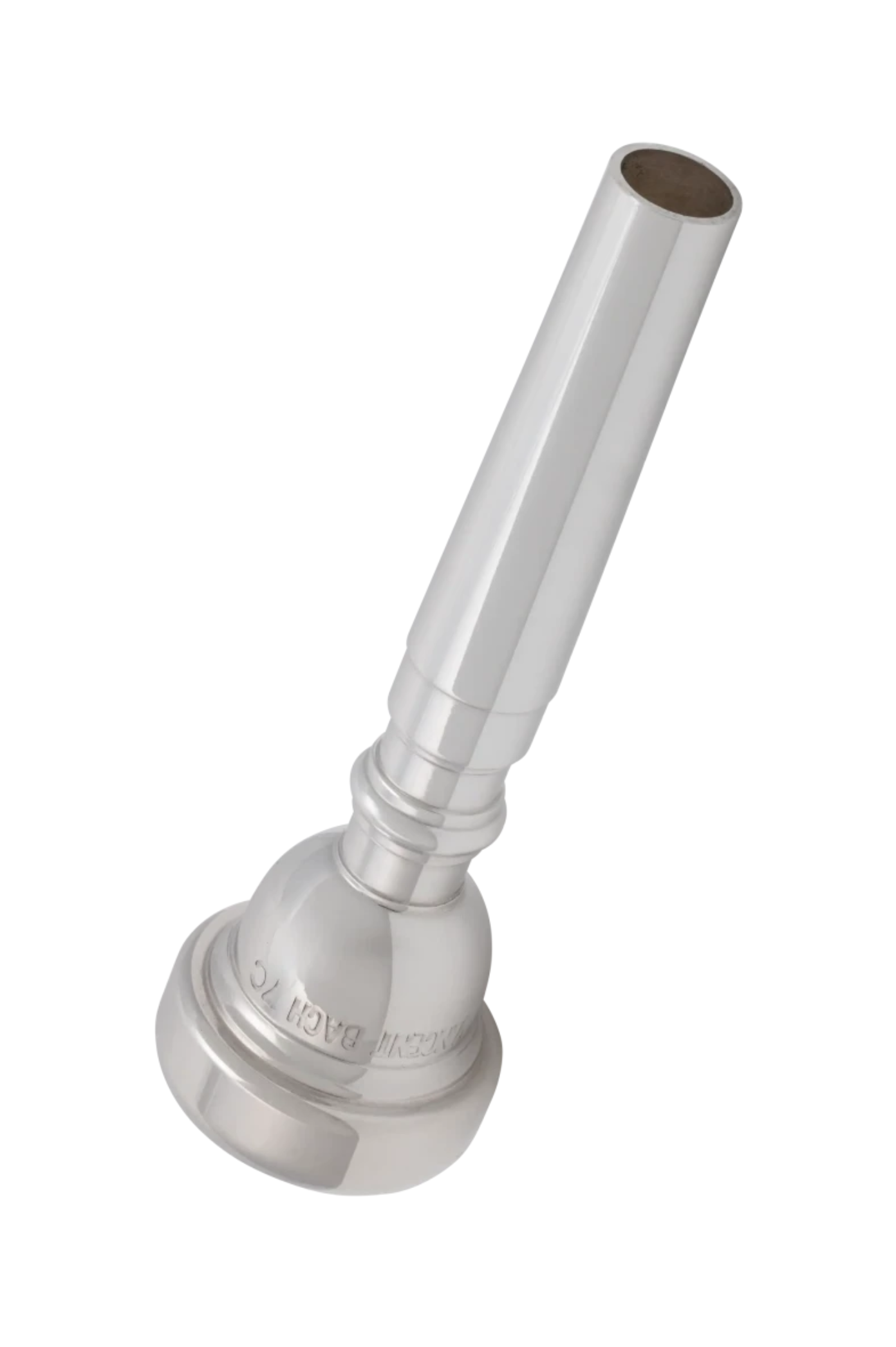 Image 5 of 7
 Image 6 of 7
 Image 7 of 7
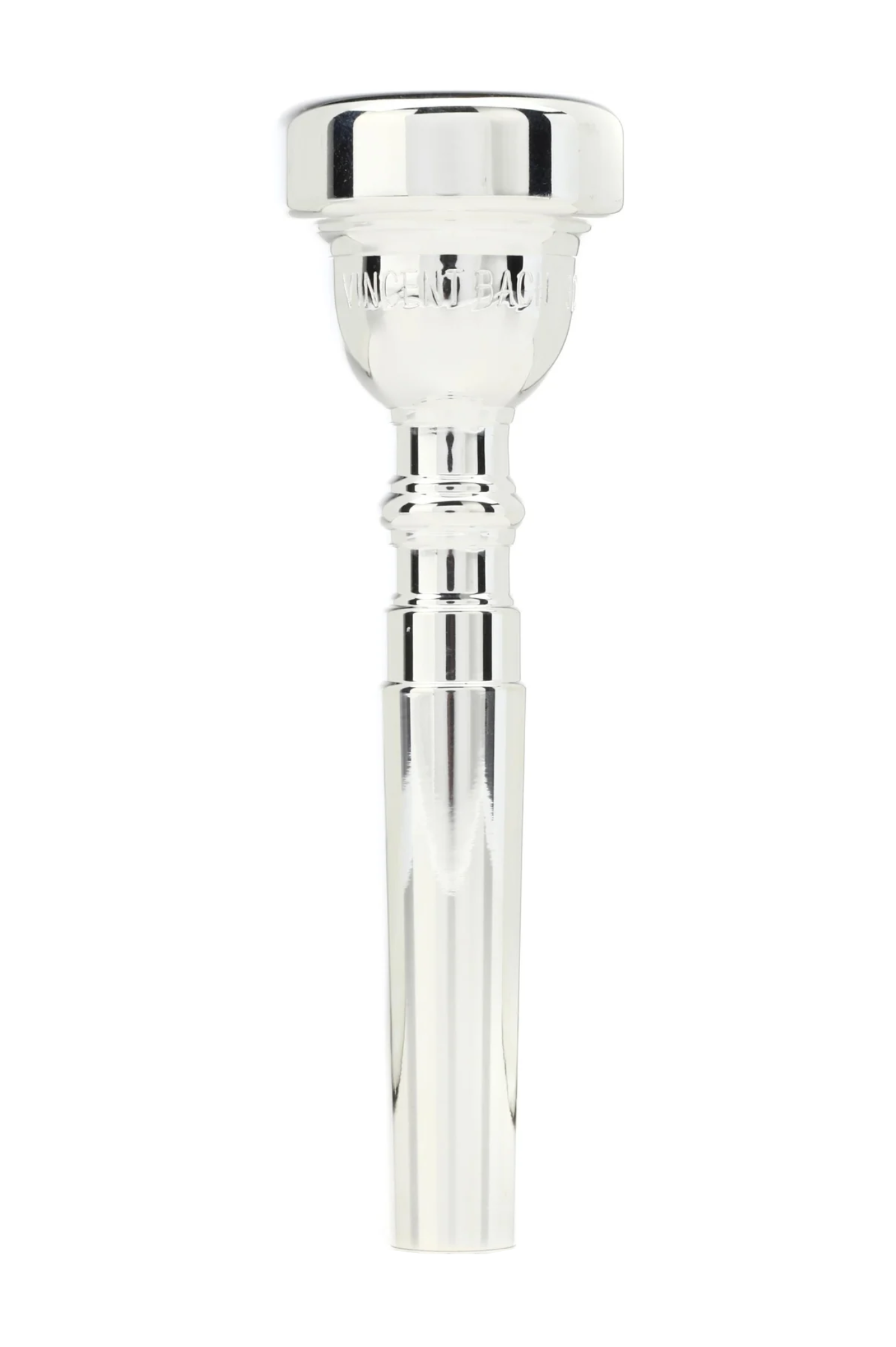
Bach 351 Classic Trumpet Mouthpieces - All Other Sizes
With finely crafted designs and a wide range of sizes and shapes to suit every embouchure, musicians worldwide rely on Bach Trumpet Mouthpieces for their tone. When a performance demands consistency and reliability, Bach Trumpet Mouthpieces deliver.
Top-performing mouthpieces for players of all skill levels
From an early age Vincent Schrotenbach displayed a natural aptitude for musical instruments and gravitated toward the trumpet during his teens. After emigrating from Vienna, Austria to the United States in the early 20th century, he performed professionally with ensembles including the Boston Symphony and the Metropolitan Opera before founding the Vincent Bach Corporation in 1918. For more than a century, Bach trumpet mouthpieces have been built on his commitment to innovation and careful craftsmanship. We now offer these iconic mouthpieces in a wide range of cup depths, diameters, and rim shapes to suit different playing styles — from the medium 7C, a dependable choice for students and beginners worldwide, to the larger 1C, favored by intermediate and advanced players seeking a reliable, versatile mouthpiece. Bach trumpet mouthpieces deliver the consistency and performance players expect.
Model #351
Looking for the sizes:
1-1/2C
3C
5A
5B
5C
7
7C
10-1/2C
There are listings for each of the previous sizes, please search for the size you desire.
This listing is for all sizes not amongst the above mentioned listings… IF, you don’t see the size you are searching for, please reach out to Prof Erny’s Music to check into availability.
Size & Specifications: (Model # = Depth of Cup / Cup Diameter / Description)
#1 = Deep / 17.50mm / Medium thin / Extra-large cup for players with a thin robust embouchure. Produces a great volume of tone.1X = Deep / 17.00mm / Medium wide / The pre-1970 (old style) No. 1, wide with a slightly smaller cup and wider rim than the present model.1B = Medium deep / 17.00mm / Medium wide / Large cup for players with a robust embouchure. Produces a warm tone with great volume.1C = Medium / 17.00mm / Medium wide / Large diameter, medium cup - good for all-around use.1CW Medium17.00mmSlightly wider, gradually lowered toward the outside. Same as 1C with wider cushion rim.1D = Medium shallow / 17.00mm / Medium-wide / Medium shallow cup facilitates high register. Brilliant sound.1E = Shallow / 17.00mm / Medium-wide / Facilitates high register. Excellent mouthpiece for soprano or piccolo trumpet.1-1/4C = Medium / 17.00mm / Medium-wide / Large cup for powerful trumpeters. Compact tone of great carrying power.1-1/2B = Medium-deep / 17.00mm / Medium-wide, not too sharp / Produces a scintillating warm tone of large volume. For players with a well-trained embouchure. Comfortable rim contour.
1 1/2C = Medium / 17.00mm / Medium-wide, not too sharp / Large diameter, medium cup - good for all-around use.2 = Deep / 16.50mm / Medium-wide, lowered toward the outside / Large cup; powerful Teutonic quality of tone. For players with a good embouchure.2C = Medium / 16.50mm / Medium-wide, lowered toward the outside / Large cup; powerful, brilliant tone. For players with a good embouchure.2-1/2C = Medium / 16.40mm / Medium-wide, lowered toward the outside / Large cup; brilliant, heroic, crisp C trumpet tone. For players with strong, muscular lips.2-3/4C = Medium / 16.40mm / Medium-wide, lowered toward the outside / Slightly narrower than 2-1/2C .Large cup; bright, lively C trumpet tone. For players with a normal embouchure3 = Deep / 16.30mm / Medium-wide / Fairly large cup with full rich tone3B = Medium-deep / 16.30mm / Medium-wide / A fairly large cup. The tone is warm and full3C = Medium / 16.30mm / Medium-wide / Fairly large cup, good for all-around use3CW = Medium / 16.30mm / Slightly wider, lowered toward the outside / Same as 3C with wider cushion style rim3D = Medium / Shallow / 16.30mm / Medium-wide / Fairly large, medium shallow cup produces a more brilliant tone. Facilitates high register3E = Shallow / 16.30mm / Medium-wide / Preferred by players who want a large mouthpiece but with a shallow cup. Facilitates high register3F = Extra-shallow / 16.30mm / Medium-wide / Same as No. 3E but with extra-shallow cup. Produces sparkling tone in the extreme high register5A = Very deep / 16.25mm / Medium-wide, rounded inside edge / A fairly large cup with a dark, full, mellow tone5B = Medium-deep / 16.25mm / Medium-wide, lowered toward the outside / Medium sharp edge. A precise rim and a fairly large cup. The tone is vivid and full5SV = Shallow / 16.25mm / Same as 5B, Shallow V-style cup with #25 throat and #25 back-bore5C = Medium / 16.25mm / Medium-wide, well rounded toward the inside and outside, fairly flat / For players with a strong embouchure who do not like a sharp edge. The tone is lively and rich6 = Deep / 16.20mm / Medium-wide, not too sharp / Produces a rich, clear tone of substantial body. Its rim shape was preferred by Vincent Bach.6B = Medium-deep / 16.20mm / Medium-wide, not too sharp / Produces a beautiful, ringing tone and responds easily. Medium-large size gives the lips sufficient room to execute freely6BM = Medium-deep / 16.20mm / Medium-wide, not too sharp / Same as 6B but larger 26 throat, 24 back-bore. Large symphony sound
6C = Medium / 16.20mm / Medium-wide, not too sharp, rather flat / A distinctive C trumpet cup. Its clear tone cuts through the largest bands and orchestras
7 = Deep / 16.20mm / Medium-wide, lowered toward the outside, Med. sharp inside edge / This popular model produces a colorful, liquid tone which is uniform over the entire scale. Desirable for all-around work7A = Very deep / 16.20mm / Medium-wide, lowered toward the outside. Med. sharp inside edge / Warm, melodious, rich tone approaches the quality of a lyric soprano voice. Free blowing7B = Medium-deep / 16.20mm / Medium-wide, lowered toward the outside. Med. sharp inside edge / Slightly livelier timbre than the #7, full in the low and middle registers, responds easily on high tones. Warm, rich sound. Well suited for all-around use
7BW = Medium-deep / 16.20mm / Slightly wider, lowered toward the outside. Med. sharp inside edge / The same features as No. 7B with a cushion rim for players with slightly heavier lips7C = Medium / 16.20mm / Medium-wide, lowered toward the outside. Medium sharp inside / Well rounded edge with a perfect grip. Probably the most widely used model in the world. Its brilliant tone is preferred by school musicians and by artists7CW = Medium / 16.20mm / Slightly wider, gradually lowered toward the outside / The same as No. 7C with a comfortable cushion rim contour. Very practical for strenuous work and players with large lips7D = Medium-shallow / 16.20mm / Medium-wide, lowered toward the outside / Similar to 7C. A shallower cup than No. 7C, designed principally for D trumpet but used successfully where great brilliance and easy high register are required
7DW = Medium-shallow / 16.20mm / Slightly wider than No. 7D / This shallow Eb soprano trumpet cup is excellent for D trumpet and for playing continually in the high register. Cushion rim is helpful to players who use a little too much pressure7E = Shallow / 16.20mm / Medium-wide / Similar to No. 7C, this extra-shallow Eb soprano trumpet cup produces a crisp, sparkling tone in the extreme high register. Widely used for piccolo trumpet7EW = Shallow / 16.20mm / Slightly wider than No. 7E / The same as No. 7E with a cushion rim. For players accustomed to playing with much pressure, especially in the high register8 = Deep / 16.20mm / Fairly wide with a slightly flatter surface than No.7, rounded inner edge / The same cup as No. 7 but with a rim that players with protruding teeth find more comfortable8B = Medium-deep / 16.20mm / Fairly wide with a slightly flatter surface than the 7B, Rounded inner edge / The same cup as No. 7B, with a rim that players with protruding teeth find more comfortable. Darker sound than #88C = Medium / 16.20mm / Fairly wide with a slightly flatter surface than #7C, Rounded inner edge / The same cup as No. 7C but with a rim that players with protruding teeth find more comfortable8-1/2 = Deep / 16.10mm / Medium-wide, lowered toward the outside, Medium-sharp inner edge / Slightly smaller in diameter than #7; produces a full, round tone. Preferred by players with a sensitive embouchure and by those whose work is very strenuous8-1/2A = Very deep / 16.10mm / Medium-wide with rounded inner edge / Produces a full, velvety tone. Suitable for cantilena playing8-1/2B = Medium deep / 16.10mm / Medium-wide, lowered toward the outside, Medium-sharp edge / Like #7B but with a cup diameter just enough smaller to facilitate production of the high tones
8-1/2C = Medium / 16.10mm / Medium-wide, well rounded / Medium C cup provides flexibility and easy response. Clear, brilliant tone throughout the register8-3/4 = Deep / 16.10mm / Medium-wide, not too sharp / Produces a tone of great volume and Teutonic character. Very effective in symphonic work and opera8-3/4C = Medium / 16.10mm / Medium-wide, slightly flat / Similar to #7C, but with a slightly smaller cup diameter. Response helps endurance for players who suffer from fatigue9 = Deep / 16.05mm / Medium-wide, lowered toward the outside / The same style of cup and rim as #7, but with smaller cup diameter
9A = Very deep / 16.05mm / Medium-wide, well rounded / Produces a mellow, sweet cornet tone9B = Medium-deep / 16.05mm / Medium-wide, lowered toward the outside / Corresponds with #9. Slightly darker tone. Players with narrow lips who tire quickly feel relieved when using this model9C = Medium / 16.05mm / Medium-wide, lowered toward the outside / Similar in size to #9 but produces a more brilliant, open tone. Free high register, easy response. Suitable for strenuous all-around work by players with narrow lips
9D = Medium-shallow / 16.05mm / Medium-wide, lowered toward the outside / Similar in size to #9 and in tone to the more brilliant #7D. Players with narrow, sensitive lips get satisfactory results with this model. Recommended for the extreme high register10 = Deep / 16.00mm / Fairly wide with a rather broad, flat surface / Similar to #7, but smaller in size and with a broad, flat rim. Suitable for players with fleshy soft lips.10B = Medium-deep / 16.00mm / Fairly wide with a rather broad, flat surface / Same size as #10 but with warmer tone. Gives good results to players with heavy, thick-lips, especially those who become easily fatigued10C = Medium / 16.00mm / Fairly wide with a rather broad, flat surface / Same rim as #10, but with a shallow C cup. Especially designed for high notes and sparkling brilliancy10-1/2A = Very deep / 15.90mm / Medium-wide, well rounded / Produces the mellow, rich lyric cornet tone favored by players of the Italian school.10-1/2C = Medium / 15.90mm / Medium-wide / Fine high register, resonating low register. Particularly useful to players without a strong embouchure. Ideal for C trumpet10-1/2CW = Medium / 15.90mm / Extra-wide, high toward the inner edge / Size, cup shape, and playing qualities are similar to the 10-1/2C. Cushion rim recommended for players who use heavy pressure
10-1/2D = Medium-shallow / 15.90mm / Medium-wide, high toward inner edge / Similar in size to No. 10 1/2C, with a shallower cup for more brilliancy and an easier high register
10-1/2DW = Medium shallow / 15.90mm / Extra-wide, high toward the inner edge / Same depth of cup and diameter as 10-1/2D, with an extra-wide cushion rim for players with fleshy lips10-1/2E = Shallow / 15.90mm / Medium-wide, high toward inner edge / The same scintillating tone as #7E. Preferred by players with weak lips who have to play in the high register10-1/2EW = Shallow / 15.90mm / Extra-wide, high toward the inner edge / Cup diameter and shape are the same as #10-1/2E, but the extra-wide rim offers support to players who have soft, fleshy lips and play continually in the extreme high register. Sometimes used for piccolo trumpet10-1/2S = Shallow / 15.11mm / Modified comfort rim with a flatter top10-3/4A = Very deep / 15.75mm / Medium-wide, well rounded / Slightly smaller cup diameter than #10-1/2A. Has the mellow, sweet tone generally used by players of the Italian school.10-3/4CW = Medium / 15.75mm / Extra-wide Cushion rim / for players with thick, fleshy lips who are accustomed to using much pressure. There is no easier blowing mouthpiece with such voluminous and brilliant tone10-3/4EW - Shallow / 15.75mm / Extra-wide Shallower than #10-3/4CW to produce a very penetrating, glittering tone. For extreme high register work. Cushion rim11A = Very deep / 15.70mm / Medium wide, well rounded / A medium-small mouthpiece with a round, full, old-fashioned cornet tone11B = Medium deep / 15.70mm / Medium-wide, well-rounded / A medium-small mouthpiece with a beautiful, full, clear tone. Responds very easily, especially in the upper register. For players in the upper embouchure11C = Medium / 15.70mm / Medium-wide / A beautiful brilliant C trumpet tone that requires little effort to play in the high register, yet with a free low range11D = Medium shallow / 15.70mm / Medium-wide, well rounded / Produces a brilliant tone, effective in the high register. Good for players not having a strong embouchure11DW = Medium shallow / 15.70mm / Extra-wide / Players with thick, fleshy lips, especially those who cannot rely on the strength of their lip muscles, can use this cushion rim mouthpiece to advantage. Produces crisp, easy top tones11EW = Shallow / 15.70mm / Extra-wide, rather high toward the inner edge / A cushion-rim mouthpiece especially designed for the extreme high register. Because of the extra-shallow cup, the tone is very brilliant, piercing, and cuts well. For players who use heavier than normal pressure in the high register11-1/2A = Very deep / 15.65mm / Medium-wide, well rounded / Similar to #11A, but slightly smaller. Produces a rich, round tone.11-1/2C = Medium / 15.65mm / Medium-wide / A brilliant, scintillating tone, very easy response and good, all-around register11-3/4C = Medium / 15.60mm / Medium-wide, well rounded / Easy playing, with a compact, brilliant tone. Recommended for players with sensitive embouchures and with narrow lips11-3/4CW = Medium / 15.60mm / Fairly wide, rather flat, not too sharp / A cushion rim for players with soft, fleshy lips who rely on above average pressure. Responds easily in the high register.12 = Deep / 15.20mm / Broad, rather flat / This popular model produces a full, mellow tone. A good choice for players of the English or Italian school who are accustomed to small mouthpieces, and players with heavy, weak lips12B = Medium deep / 15.20mm / Broad, rather flat / The same rim as #12, with a slightly shallower cup to make the tone more lively. High register responds well12C = Medium / 15.20mm / Broad, rather flat / Brilliant tone, easy high register for trumpeters who have to play forte in the upper range and for players with heavy, weak lips who have difficulty with the high tones12CW = Medium / 15.20mm / Broad, rather flat, high toward the inside / Cup diameter and depth are the same as No. 12C, extra wide cushion rim17 = Deep / 15.10mm / Medium-wide / A small mouthpiece with a solid, compact tone. Players with thin lips find this model highly satisfactory17C = Medium / 15.10mm / Medium-wide / A lively, clear and brilliant tone, for players with thin lips whose embouchure tires easily18 = Deep / 15.10mm / Broad, rather flat / Has the same cup as #17, but a wider rim. Players of the old Italian or English school having heavy, soft lips and a rather sensitive embouchure choose this model18C = Medium / 15.10mm / Broad, rather flat / Same cup design as #17C, with a wider and flatter rim to distribute pressure over a larger surface20C = Medium / 15.00mm / Medium-wide / A very small mouthpiece, recommended to players who have extremely weak or delicate lips
BRAND NEW = BRAND SPANKING NEW
OPEN-BOX = No Box, Like-New, may have been a demo, restored to “almost” factory quality, little to no wear, sanitized, hand-polished, certified and bagged for resale.
USED= No Box, shows signs of wear, no silver worn in or around mouth area. Played, sanitized, hand-polished, certified and bagged for resale.
Rare Vintage Mount Vernon = Very limited, if available, item was originally manufactured in Bach factory in Mt. Vernon, NY. Played, sanitized, hand-polished, certified and bagged for resale. Both a player and a collectable!
With finely crafted designs and a wide range of sizes and shapes to suit every embouchure, musicians worldwide rely on Bach Trumpet Mouthpieces for their tone. When a performance demands consistency and reliability, Bach Trumpet Mouthpieces deliver.
Top-performing mouthpieces for players of all skill levels
From an early age Vincent Schrotenbach displayed a natural aptitude for musical instruments and gravitated toward the trumpet during his teens. After emigrating from Vienna, Austria to the United States in the early 20th century, he performed professionally with ensembles including the Boston Symphony and the Metropolitan Opera before founding the Vincent Bach Corporation in 1918. For more than a century, Bach trumpet mouthpieces have been built on his commitment to innovation and careful craftsmanship. We now offer these iconic mouthpieces in a wide range of cup depths, diameters, and rim shapes to suit different playing styles — from the medium 7C, a dependable choice for students and beginners worldwide, to the larger 1C, favored by intermediate and advanced players seeking a reliable, versatile mouthpiece. Bach trumpet mouthpieces deliver the consistency and performance players expect.
Model #351
Looking for the sizes:
1-1/2C
3C
5A
5B
5C
7
7C
10-1/2C
There are listings for each of the previous sizes, please search for the size you desire.
This listing is for all sizes not amongst the above mentioned listings… IF, you don’t see the size you are searching for, please reach out to Prof Erny’s Music to check into availability.
Size & Specifications: (Model # = Depth of Cup / Cup Diameter / Description)
#1 = Deep / 17.50mm / Medium thin / Extra-large cup for players with a thin robust embouchure. Produces a great volume of tone.1X = Deep / 17.00mm / Medium wide / The pre-1970 (old style) No. 1, wide with a slightly smaller cup and wider rim than the present model.1B = Medium deep / 17.00mm / Medium wide / Large cup for players with a robust embouchure. Produces a warm tone with great volume.1C = Medium / 17.00mm / Medium wide / Large diameter, medium cup - good for all-around use.1CW Medium17.00mmSlightly wider, gradually lowered toward the outside. Same as 1C with wider cushion rim.1D = Medium shallow / 17.00mm / Medium-wide / Medium shallow cup facilitates high register. Brilliant sound.1E = Shallow / 17.00mm / Medium-wide / Facilitates high register. Excellent mouthpiece for soprano or piccolo trumpet.1-1/4C = Medium / 17.00mm / Medium-wide / Large cup for powerful trumpeters. Compact tone of great carrying power.1-1/2B = Medium-deep / 17.00mm / Medium-wide, not too sharp / Produces a scintillating warm tone of large volume. For players with a well-trained embouchure. Comfortable rim contour.
1 1/2C = Medium / 17.00mm / Medium-wide, not too sharp / Large diameter, medium cup - good for all-around use.2 = Deep / 16.50mm / Medium-wide, lowered toward the outside / Large cup; powerful Teutonic quality of tone. For players with a good embouchure.2C = Medium / 16.50mm / Medium-wide, lowered toward the outside / Large cup; powerful, brilliant tone. For players with a good embouchure.2-1/2C = Medium / 16.40mm / Medium-wide, lowered toward the outside / Large cup; brilliant, heroic, crisp C trumpet tone. For players with strong, muscular lips.2-3/4C = Medium / 16.40mm / Medium-wide, lowered toward the outside / Slightly narrower than 2-1/2C .Large cup; bright, lively C trumpet tone. For players with a normal embouchure3 = Deep / 16.30mm / Medium-wide / Fairly large cup with full rich tone3B = Medium-deep / 16.30mm / Medium-wide / A fairly large cup. The tone is warm and full3C = Medium / 16.30mm / Medium-wide / Fairly large cup, good for all-around use3CW = Medium / 16.30mm / Slightly wider, lowered toward the outside / Same as 3C with wider cushion style rim3D = Medium / Shallow / 16.30mm / Medium-wide / Fairly large, medium shallow cup produces a more brilliant tone. Facilitates high register3E = Shallow / 16.30mm / Medium-wide / Preferred by players who want a large mouthpiece but with a shallow cup. Facilitates high register3F = Extra-shallow / 16.30mm / Medium-wide / Same as No. 3E but with extra-shallow cup. Produces sparkling tone in the extreme high register5A = Very deep / 16.25mm / Medium-wide, rounded inside edge / A fairly large cup with a dark, full, mellow tone5B = Medium-deep / 16.25mm / Medium-wide, lowered toward the outside / Medium sharp edge. A precise rim and a fairly large cup. The tone is vivid and full5SV = Shallow / 16.25mm / Same as 5B, Shallow V-style cup with #25 throat and #25 back-bore5C = Medium / 16.25mm / Medium-wide, well rounded toward the inside and outside, fairly flat / For players with a strong embouchure who do not like a sharp edge. The tone is lively and rich6 = Deep / 16.20mm / Medium-wide, not too sharp / Produces a rich, clear tone of substantial body. Its rim shape was preferred by Vincent Bach.6B = Medium-deep / 16.20mm / Medium-wide, not too sharp / Produces a beautiful, ringing tone and responds easily. Medium-large size gives the lips sufficient room to execute freely6BM = Medium-deep / 16.20mm / Medium-wide, not too sharp / Same as 6B but larger 26 throat, 24 back-bore. Large symphony sound
6C = Medium / 16.20mm / Medium-wide, not too sharp, rather flat / A distinctive C trumpet cup. Its clear tone cuts through the largest bands and orchestras
7 = Deep / 16.20mm / Medium-wide, lowered toward the outside, Med. sharp inside edge / This popular model produces a colorful, liquid tone which is uniform over the entire scale. Desirable for all-around work7A = Very deep / 16.20mm / Medium-wide, lowered toward the outside. Med. sharp inside edge / Warm, melodious, rich tone approaches the quality of a lyric soprano voice. Free blowing7B = Medium-deep / 16.20mm / Medium-wide, lowered toward the outside. Med. sharp inside edge / Slightly livelier timbre than the #7, full in the low and middle registers, responds easily on high tones. Warm, rich sound. Well suited for all-around use
7BW = Medium-deep / 16.20mm / Slightly wider, lowered toward the outside. Med. sharp inside edge / The same features as No. 7B with a cushion rim for players with slightly heavier lips7C = Medium / 16.20mm / Medium-wide, lowered toward the outside. Medium sharp inside / Well rounded edge with a perfect grip. Probably the most widely used model in the world. Its brilliant tone is preferred by school musicians and by artists7CW = Medium / 16.20mm / Slightly wider, gradually lowered toward the outside / The same as No. 7C with a comfortable cushion rim contour. Very practical for strenuous work and players with large lips7D = Medium-shallow / 16.20mm / Medium-wide, lowered toward the outside / Similar to 7C. A shallower cup than No. 7C, designed principally for D trumpet but used successfully where great brilliance and easy high register are required
7DW = Medium-shallow / 16.20mm / Slightly wider than No. 7D / This shallow Eb soprano trumpet cup is excellent for D trumpet and for playing continually in the high register. Cushion rim is helpful to players who use a little too much pressure7E = Shallow / 16.20mm / Medium-wide / Similar to No. 7C, this extra-shallow Eb soprano trumpet cup produces a crisp, sparkling tone in the extreme high register. Widely used for piccolo trumpet7EW = Shallow / 16.20mm / Slightly wider than No. 7E / The same as No. 7E with a cushion rim. For players accustomed to playing with much pressure, especially in the high register8 = Deep / 16.20mm / Fairly wide with a slightly flatter surface than No.7, rounded inner edge / The same cup as No. 7 but with a rim that players with protruding teeth find more comfortable8B = Medium-deep / 16.20mm / Fairly wide with a slightly flatter surface than the 7B, Rounded inner edge / The same cup as No. 7B, with a rim that players with protruding teeth find more comfortable. Darker sound than #88C = Medium / 16.20mm / Fairly wide with a slightly flatter surface than #7C, Rounded inner edge / The same cup as No. 7C but with a rim that players with protruding teeth find more comfortable8-1/2 = Deep / 16.10mm / Medium-wide, lowered toward the outside, Medium-sharp inner edge / Slightly smaller in diameter than #7; produces a full, round tone. Preferred by players with a sensitive embouchure and by those whose work is very strenuous8-1/2A = Very deep / 16.10mm / Medium-wide with rounded inner edge / Produces a full, velvety tone. Suitable for cantilena playing8-1/2B = Medium deep / 16.10mm / Medium-wide, lowered toward the outside, Medium-sharp edge / Like #7B but with a cup diameter just enough smaller to facilitate production of the high tones
8-1/2C = Medium / 16.10mm / Medium-wide, well rounded / Medium C cup provides flexibility and easy response. Clear, brilliant tone throughout the register8-3/4 = Deep / 16.10mm / Medium-wide, not too sharp / Produces a tone of great volume and Teutonic character. Very effective in symphonic work and opera8-3/4C = Medium / 16.10mm / Medium-wide, slightly flat / Similar to #7C, but with a slightly smaller cup diameter. Response helps endurance for players who suffer from fatigue9 = Deep / 16.05mm / Medium-wide, lowered toward the outside / The same style of cup and rim as #7, but with smaller cup diameter
9A = Very deep / 16.05mm / Medium-wide, well rounded / Produces a mellow, sweet cornet tone9B = Medium-deep / 16.05mm / Medium-wide, lowered toward the outside / Corresponds with #9. Slightly darker tone. Players with narrow lips who tire quickly feel relieved when using this model9C = Medium / 16.05mm / Medium-wide, lowered toward the outside / Similar in size to #9 but produces a more brilliant, open tone. Free high register, easy response. Suitable for strenuous all-around work by players with narrow lips
9D = Medium-shallow / 16.05mm / Medium-wide, lowered toward the outside / Similar in size to #9 and in tone to the more brilliant #7D. Players with narrow, sensitive lips get satisfactory results with this model. Recommended for the extreme high register10 = Deep / 16.00mm / Fairly wide with a rather broad, flat surface / Similar to #7, but smaller in size and with a broad, flat rim. Suitable for players with fleshy soft lips.10B = Medium-deep / 16.00mm / Fairly wide with a rather broad, flat surface / Same size as #10 but with warmer tone. Gives good results to players with heavy, thick-lips, especially those who become easily fatigued10C = Medium / 16.00mm / Fairly wide with a rather broad, flat surface / Same rim as #10, but with a shallow C cup. Especially designed for high notes and sparkling brilliancy10-1/2A = Very deep / 15.90mm / Medium-wide, well rounded / Produces the mellow, rich lyric cornet tone favored by players of the Italian school.10-1/2C = Medium / 15.90mm / Medium-wide / Fine high register, resonating low register. Particularly useful to players without a strong embouchure. Ideal for C trumpet10-1/2CW = Medium / 15.90mm / Extra-wide, high toward the inner edge / Size, cup shape, and playing qualities are similar to the 10-1/2C. Cushion rim recommended for players who use heavy pressure
10-1/2D = Medium-shallow / 15.90mm / Medium-wide, high toward inner edge / Similar in size to No. 10 1/2C, with a shallower cup for more brilliancy and an easier high register
10-1/2DW = Medium shallow / 15.90mm / Extra-wide, high toward the inner edge / Same depth of cup and diameter as 10-1/2D, with an extra-wide cushion rim for players with fleshy lips10-1/2E = Shallow / 15.90mm / Medium-wide, high toward inner edge / The same scintillating tone as #7E. Preferred by players with weak lips who have to play in the high register10-1/2EW = Shallow / 15.90mm / Extra-wide, high toward the inner edge / Cup diameter and shape are the same as #10-1/2E, but the extra-wide rim offers support to players who have soft, fleshy lips and play continually in the extreme high register. Sometimes used for piccolo trumpet10-1/2S = Shallow / 15.11mm / Modified comfort rim with a flatter top10-3/4A = Very deep / 15.75mm / Medium-wide, well rounded / Slightly smaller cup diameter than #10-1/2A. Has the mellow, sweet tone generally used by players of the Italian school.10-3/4CW = Medium / 15.75mm / Extra-wide Cushion rim / for players with thick, fleshy lips who are accustomed to using much pressure. There is no easier blowing mouthpiece with such voluminous and brilliant tone10-3/4EW - Shallow / 15.75mm / Extra-wide Shallower than #10-3/4CW to produce a very penetrating, glittering tone. For extreme high register work. Cushion rim11A = Very deep / 15.70mm / Medium wide, well rounded / A medium-small mouthpiece with a round, full, old-fashioned cornet tone11B = Medium deep / 15.70mm / Medium-wide, well-rounded / A medium-small mouthpiece with a beautiful, full, clear tone. Responds very easily, especially in the upper register. For players in the upper embouchure11C = Medium / 15.70mm / Medium-wide / A beautiful brilliant C trumpet tone that requires little effort to play in the high register, yet with a free low range11D = Medium shallow / 15.70mm / Medium-wide, well rounded / Produces a brilliant tone, effective in the high register. Good for players not having a strong embouchure11DW = Medium shallow / 15.70mm / Extra-wide / Players with thick, fleshy lips, especially those who cannot rely on the strength of their lip muscles, can use this cushion rim mouthpiece to advantage. Produces crisp, easy top tones11EW = Shallow / 15.70mm / Extra-wide, rather high toward the inner edge / A cushion-rim mouthpiece especially designed for the extreme high register. Because of the extra-shallow cup, the tone is very brilliant, piercing, and cuts well. For players who use heavier than normal pressure in the high register11-1/2A = Very deep / 15.65mm / Medium-wide, well rounded / Similar to #11A, but slightly smaller. Produces a rich, round tone.11-1/2C = Medium / 15.65mm / Medium-wide / A brilliant, scintillating tone, very easy response and good, all-around register11-3/4C = Medium / 15.60mm / Medium-wide, well rounded / Easy playing, with a compact, brilliant tone. Recommended for players with sensitive embouchures and with narrow lips11-3/4CW = Medium / 15.60mm / Fairly wide, rather flat, not too sharp / A cushion rim for players with soft, fleshy lips who rely on above average pressure. Responds easily in the high register.12 = Deep / 15.20mm / Broad, rather flat / This popular model produces a full, mellow tone. A good choice for players of the English or Italian school who are accustomed to small mouthpieces, and players with heavy, weak lips12B = Medium deep / 15.20mm / Broad, rather flat / The same rim as #12, with a slightly shallower cup to make the tone more lively. High register responds well12C = Medium / 15.20mm / Broad, rather flat / Brilliant tone, easy high register for trumpeters who have to play forte in the upper range and for players with heavy, weak lips who have difficulty with the high tones12CW = Medium / 15.20mm / Broad, rather flat, high toward the inside / Cup diameter and depth are the same as No. 12C, extra wide cushion rim17 = Deep / 15.10mm / Medium-wide / A small mouthpiece with a solid, compact tone. Players with thin lips find this model highly satisfactory17C = Medium / 15.10mm / Medium-wide / A lively, clear and brilliant tone, for players with thin lips whose embouchure tires easily18 = Deep / 15.10mm / Broad, rather flat / Has the same cup as #17, but a wider rim. Players of the old Italian or English school having heavy, soft lips and a rather sensitive embouchure choose this model18C = Medium / 15.10mm / Broad, rather flat / Same cup design as #17C, with a wider and flatter rim to distribute pressure over a larger surface20C = Medium / 15.00mm / Medium-wide / A very small mouthpiece, recommended to players who have extremely weak or delicate lips
BRAND NEW = BRAND SPANKING NEW
OPEN-BOX = No Box, Like-New, may have been a demo, restored to “almost” factory quality, little to no wear, sanitized, hand-polished, certified and bagged for resale.
USED= No Box, shows signs of wear, no silver worn in or around mouth area. Played, sanitized, hand-polished, certified and bagged for resale.
Rare Vintage Mount Vernon = Very limited, if available, item was originally manufactured in Bach factory in Mt. Vernon, NY. Played, sanitized, hand-polished, certified and bagged for resale. Both a player and a collectable!